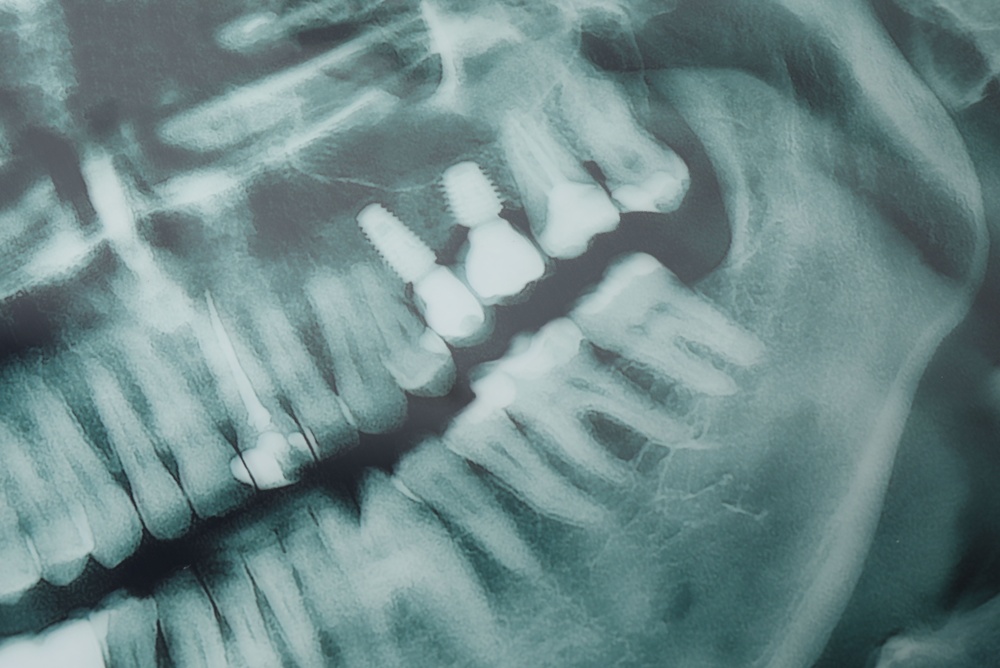
Dental implants replace missing teeth with a metal or ceramic root plus a prosthetic tooth. If you’re asking “what are dental implants made of”, this short guide explains the main materials and why craftsmanship matters for function, health and appearance. Material choice affects strength, how the body accepts the implant, and how natural the final tooth looks. Read on for a simple breakdown of materials, parts of an implant, how they integrate with bone, and questions to ask your dentist.
Common materials used in dental implants
Titanium and titanium alloys
Titanium is the long-standing standard. It’s strong, light and bonds well with bone through osseointegration. Many implant fixtures and abutments are made from medical-grade titanium or titanium alloys because of their proven track record for durability and low rejection rates.
Zirconia (ceramic) implants
Zirconia is a white, metal-free ceramic used when appearance or metal avoidance matters. Zirconia implants look more natural near the gumline and are chosen for metal sensitivities or cosmetic cases. They are strong but newer in the long-term evidence base than titanium.
Breaking down an implant: fixture, abutment, and crown
Implant fixture (the “root”)
The fixture is the part placed in bone. Most fixtures are titanium and may have surface treatments—like roughening or coating—to speed bone attachment. Some systems offer zirconia fixtures for metal-free options.
Abutment (connector)
The abutment connects the fixture and the visible tooth. Abutments come in titanium, zirconia, or hybrid designs (titanium base with zirconia top). Choice affects strength and the final tooth’s colour near the gum.
Crown, bridge or denture (the visible tooth)
The visible part can be porcelain-fused-to-metal, full zirconia, layered porcelain, or composite. Labs match colour, shape and translucency to your natural teeth for a lifelike result. Stronger materials suit back teeth; more aesthetic materials suit front teeth.
How biocompatibility and osseointegration work
Biocompatibility means the body accepts the material without harmful reaction. Osseointegration is bone growing around the implant surface. Surface texture and chemistry help bone attach more quickly and firmly, which matters for long-term stability.
Factors that influence which materials are chosen
Aesthetic needs
Front teeth often use zirconia abutments and aesthetic crowns to avoid dark shadows. Back teeth prioritise strength, so titanium fixtures with durable crowns are common.
Allergies, sensitivities and patient health
True titanium allergy is rare, but some patients prefer metal-free options. Autoimmune conditions or sensitivities can shape the recommendation; discuss your medical history with your clinician.
Bone quality and surgical needs
Poor bone density or need for grafting can influence implant design and material choice. Some systems perform better in limited bone; your surgeon will advise.
Craftsmanship: manufacturing, surface treatments and digital workflows
Implant success depends on precise machining, surface treatments that promote bone growth, and accurate CAD/CAM crowns made by skilled dental labs. Digital scans and milling improve fit and colour matching.
Longevity, maintenance and safety of different materials
Well-made implants can last decades with good care. Failures are usually due to infection, poor integration, or overload. Daily hygiene, regular dental checks, and watching for pain or loosening are key.
Questions to ask your dentist about “what are dental implants made of”
– Which material will you recommend and why? – Is the fixture titanium or zirconia? – What abutment material will be used for my tooth location? – Which lab makes my crown and what materials do they use? – How do you manage allergies or sensitivities? – What is the warranty and expected lifespan? – What are the risks for my bone quality? – Are there metal-free alternatives if I prefer them?
Why consider ARCH Dental + Aesthetics for implant care
ARCH Dental + Aesthetics by Vancouver, BC uses biocompatible materials, advanced technology and personalised treatment plans. Dr. Yusef Khadembashi brings elite implant training and the clinic works closely with Enlighten Dental for integrated care across general, periodontal and orthodontic needs.
Short closing and call to action
If you want to learn more about what are dental implants made of and which option suits you, book a consultation to discuss materials and a personalised implant plan.