Knowing what to expect during the healing of dental implants can ease anxiety and improve outcomes. This guide explains a typical recovery, key milestones, and straightforward steps you can take to protect your new implant. If you’re having treatment in Vancouver, BC, understanding local follow-up care and timelines for dental implants will help you achieve long-term success, including rest, nutrition, and overall being.
Typical Healing Timeline For Dental Implants
First 24–72 hours: immediate recovery
Expect mild bleeding, swelling, and soreness for the first day or two. Use prescribed pain relievers or over-the-counter options as advised, apply cold packs for the first 24 hours, and avoid vigorous rinsing. These initial steps lay the groundwork for the proper healing of dental implants in Vancouver, BC.
First 1–3 weeks: soft-tissue healing
Gums begin to settle, and any sutures will dissolve or be removed during this period. Keep the area clean with gentle rinses and soft brushing nearby. Avoid chewing on the implant side and follow your clinician’s instructions to protect the soft-tissue seal that helps prevent infection.
3–6 months: osseointegration
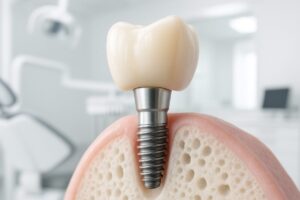
This stage is when the jawbone fuses to the implant (osseointegration), providing long-term stability. It typically takes three to simonths, dependingnonon the quality ananyny required grafts. Avoid early loading or heavy biting until your dental team confirms adequate integration.
Maintain a gentle but thorough hygiene routine. Brush softly around the site, use recommended antiseptic rinses as directed, and delay regular flossing at the exact implant area until cleared by your dentist. Good hygiene reduces the risk of infection and supports the healing of dental implants.
Diet and activity
Stick to soft foods for the first one to two weeks and avoid hard, crunchy, or sticky items on the implant side. Rest and limit strenuous exercise for several days to minimize the risk of swelling and bleeding. Gradually reintroduce normal chewing as your clinician advises.
Habits that impair healing
Smoking, vaping, heavy alcohol use, and poor nutrition slow healing and raise the risk of failure. If you smoke or vape, stop if possible before surgery and during recovery. Eat a balanced diet rich in protein, vitamins, and fluids to support bone and tissue repair.
Medical and Surgical Factors That Affect Healing
Conditions such as diabetes, osteoporosis, certain medications (e.g., bisphosphonates), and prior bone grafts or sinus lifts can prolong healing and necessitate tailored treatment plans. Share your complete medical history so your team can adjust timelines, use antibiotics or additional imaging, and monitor healing more closely.
How Your Dental Team Monitors Healing
Typical follow-up includes clinical checks and X-rays at regular intervals to confirm soft tissue health and bone integration. Your team looks for stable tissues, absence of infection, and radiographic signs of osseointegration before placing the final restoration.
When A Specialist Is Recommended
See a specialist for complex cases, such as full-arch reconstruction, major grafting, compromised bone, or prior implant failures. Coordinated care with periodontists or oral surgeons improves outcomes for challenging situations.
ARCH Dental + Aesthetics — How We Support Implant Healing
ARCH Dental + Aesthetics in Vancouver, BC uses biocompatible materials, advanced imaging, and a holistic approach to support reliable healing. We coordinate with Enlighten Dental for general, periodontal, and orthodontic needs, tailoring follow-up plans to each patient’s health, lifestyle, and goals.
If you have questions about the healing of dental implants in Vancouver, BC, or would like a personalized recovery plan, book a consultation. Clear instructions and timely follow-up help ensure a smooth recovery and a lasting result.