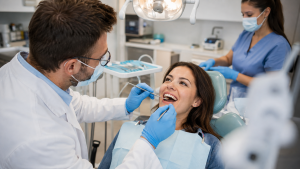

Many people would like straighter teeth but feel hesitant about wearing traditional metal braces. Clear aligners offer another possibility: a series of removable, nearly transparent trays designed to move teeth gradually.
For patients researching clear aligners in Redwood City, CA, understanding the process can make the decision feel much easier. Although aligners are discreet and convenient, they still involve professional orthodontic treatment. A dentist must evaluate the teeth, gums, bite, and overall oral health before deciding whether this approach is appropriate.
This article provides general educational information and is not a diagnosis or personalized treatment recommendation. A dentist or orthodontist can assess individual needs, risks, and expected results.
What Are Clear Aligners?

Clear aligners are custom-made plastic trays that fit closely over the teeth. Each tray applies carefully planned pressure to selected teeth. As the patient progresses through the prescribed series, the teeth move step by step toward their planned positions.
Unlike traditional braces, clear aligners do not use visible brackets and wires. Patients can remove them for meals and daily oral hygiene, which is one reason many adults and teens find them appealing.
Modern aligner treatment commonly uses digital scans, virtual modeling, and computer-guided planning. Advances in digital orthodontics have helped improve the customization and clinical use of these appliances, according to a review of digital innovation in orthodontics.
However, clear does not mean invisible in every situation. Small tooth-colored attachments may be placed on certain teeth to help the trays grip and direct movement. Depending on the treatment plan, other features may also be needed to address the bite.
What Dental Concerns Can Clear Aligners Address?
Clear aligners may be considered for a variety of orthodontic concerns, including:
- Crowded or overlapping teeth
- Small spaces or gaps between teeth
- Teeth that have shifted after previous orthodontic treatment
- Certain overbites, underbites, crossbites, or open bites
- Teeth that appear rotated, tilted, or uneven
The appearance of the front teeth is only part of the evaluation. A dentist also looks at how the upper and lower teeth meet, whether there is enough room for movement, and whether the supporting bone and gums are healthy.
Some complex tooth movements or jaw-related bite problems may be managed more predictably with braces, specialized orthodontic appliances, or coordinated care with an orthodontist. The best option depends on the individual case rather than on appearance or convenience alone.
Who May Be a Good Candidate?
A suitable clear aligner candidate generally has healthy teeth and gums, an orthodontic concern that can be managed with aligners, and the ability to follow the daily wear instructions. Because the trays are removable, consistency plays an important role.
Clear aligners may fit well into the routine of someone who:
- Wants a less noticeable orthodontic appliance
- Can keep track of removable trays
- Is prepared to wear the aligners as directed
- Will attend monitoring appointments
- Can maintain careful brushing, flossing, and tray cleaning
Active gum disease, untreated cavities, damaged teeth, or other oral health concerns may need attention before orthodontic movement begins. Children and younger teens also require an assessment of tooth development and their ability to wear and care for the trays responsibly.
What Happens During Clear Aligner Treatment?
1. Consultation and oral health evaluation
The process begins with a dental examination. The clinician asks about the patient’s goals and reviews the teeth, gums, jaw relationship, and bite. Dental X-rays or other records may be recommended when clinically appropriate.
This first visit is also the right time to discuss previous dental work, jaw discomfort, gum concerns, and any history of orthodontic treatment.
2. Digital records and treatment planning
If aligners appear suitable, the dental team collects detailed records. These may include a digital scan, photographs, and X-rays. A digital model then helps the clinician plan tooth movements and review the proposed sequence.
A computer-generated preview can be useful for discussing the treatment goal, but it should not be viewed as a guaranteed final result. Teeth and supporting tissues can respond differently from person to person, and the plan may need to be adjusted.
3. Receiving and wearing the trays
Once the custom trays are ready, the dental team checks their fit and explains how to insert, remove, and clean them. Patients typically move to a new set according to their clinician’s instructions.
The trays must generally be worn for most of the day to provide the planned force. They are usually removed for eating and for drinking beverages other than plain water. Patients should follow the exact instructions provided with their aligner system.
4. Progress checks and possible refinements
Periodic visits allow the dentist to confirm that the trays fit and that tooth movement is progressing appropriately. If teeth do not move as expected, additional scans, revised trays, or other adjustments may be recommended. These extra aligners are often called refinements.
5. Retention after active treatment
Finishing the last aligner does not mean the teeth will automatically remain in place. Retainers help protect the new alignment after active treatment. The dentist will recommend a wear schedule based on the patient’s needs.
Not wearing retainers as advised can allow teeth to shift. Long-term retention should therefore be treated as an important part of orthodontic care rather than an optional extra.
Are Clear Aligners Comfortable?
Many patients appreciate that aligners do not have metal brackets or protruding wires. Still, orthodontic movement is not completely sensation-free. A new tray can create pressure or tenderness as the teeth begin responding to it. Tray edges or attachments may occasionally irritate the cheeks, lips, or tongue.
Discomfort should be discussed with the treating dentist, especially if it is intense, persistent, limited to one tooth, or accompanied by swelling, bleeding, a loose tooth, or a damaged tray. Patients should not trim or alter an aligner unless their dental team directs them to do so.
Daily Care Tips for Clear Aligner Patients
Aligners work best when good habits support the treatment plan. Patients can make day-to-day care simpler by following a consistent routine:
- Wear each tray as prescribed. Frequent or prolonged removal may interfere with planned movement.
- Remove trays before meals. Eating with them may stain or damage the material.
- Clean the teeth before reinserting aligners. Trapped food and plaque can contribute to tooth decay, gum irritation, and unpleasant odors.
- Clean trays gently. Use the method recommended by the dental team and avoid very hot water, which may distort some aligner materials.
- Use the storage case. Wrapping aligners in a napkin makes them easy to lose or accidentally discard.
- Bring trays to dental visits. The clinician may want to check their fit and condition.
Routine dental cleanings and preventive exams remain important during orthodontic treatment. Clear aligners make the teeth accessible for brushing and flossing, but they do not replace daily hygiene or professional care.
How Long Does Treatment Take?
There is no single treatment timeline that applies to everyone. The duration depends on the number and type of tooth movements, bite complexity, biological response, tray wear, and whether refinements are required.
A limited correction may take less time than a plan involving multiple bite and alignment concerns. The most useful estimate comes after an examination and digital treatment assessment. Even then, the timeline may change if trays are not worn as directed or teeth respond differently than anticipated.
How Much Do Clear Aligners Cost in Redwood City?
Clear aligner fees vary according to case complexity, the treatment system, the anticipated number of trays, monitoring needs, and whether retainers or refinements are included. For that reason, an advertised starting price may not reflect the total cost for a particular patient.
Patients should ask for a written estimate that explains what the fee covers. Helpful questions include:
- Are diagnostic records and progress appointments included?
- Does the fee include tooth-colored attachments?
- Are refinement trays included, and are there limits?
- Are final retainers included?
- What happens if an aligner is lost or damaged?
- Can dental insurance benefits be used?
- Are financing or payment arrangements available?
Insurance coverage varies by plan. The dental office can help review available benefits, but the insurer determines eligibility, limits, and reimbursement.
Clear Aligners vs. Traditional Braces
Neither option is automatically better for every patient. Clear aligners are removable and less noticeable, making meals and oral hygiene more convenient. However, their success depends heavily on consistent wear and safe storage.
Braces stay attached to the teeth, so patients cannot forget to wear them. They may also give the clinician greater control for certain complex movements. On the other hand, brackets and wires are more visible and require extra attention during brushing and eating.
A professional evaluation helps determine which method offers the right balance of predictability, comfort, appearance, and lifestyle fit.
Frequently Asked Questions
Can a patient eat while wearing clear aligners?
Patients are generally instructed to remove aligners before eating. Plain water is typically the safest drink while trays are in place, but each patient should follow the instructions provided by the treating clinician.
Will clear aligners affect speech?
Some people notice a temporary change in speech when they first begin wearing trays. The tongue often adapts with regular wear. A persistent speech concern should be discussed with the dental team.
Can someone get aligners if they have crowns or implants?
Existing dental restorations do not automatically rule out treatment, but they can affect planning. Dental implants do not move like natural teeth, while crowns, bridges, and veneers may influence attachment placement or the intended movements. An individualized examination is essential.
What happens if an aligner is lost?
The patient should contact the dental office rather than deciding independently which tray to wear. The clinician may recommend using the previous tray, moving forward, or ordering a replacement based on treatment progress.
Are mail-order aligners the same as dentist-supervised treatment?
Clear trays may look similar, but professional treatment includes an evaluation of oral health, bite relationships, diagnostic records, and ongoing monitoring. Moving teeth without appropriate assessment can overlook dental or gum problems that require attention.
Will results last permanently?
Teeth can shift after orthodontic treatment. Wearing retainers according to the clinician’s recommendations helps maintain the result, although ongoing monitoring and replacement retainers may eventually be needed.
Taking the Next Step in Redwood City
Clear aligners can provide a discreet, removable approach to straightening teeth, but successful care begins with the right diagnosis and a realistic treatment plan. A consultation can clarify whether aligners are suitable, what the process may involve, and which alternatives deserve consideration.
Patients considering clear aligners in Redwood City, CA, can contact ARCH Dental + Aesthetics to ask about an evaluation, available treatment options, expected fees, and next steps. Bringing a list of questions to the appointment can help ensure the plan feels comfortable, understandable, and appropriate for the patient’s goals.