A brighter smile can make a person feel more confident in everyday moments, from meeting someone new to smiling for photos. It is no surprise that many patients search for teeth whitening BC CA when they want a safe, effective way to refresh their smile.
Teeth whitening is one of the most requested cosmetic dental treatments because it is non-invasive, widely accessible, and often more affordable than other smile-enhancing options. Still, whitening is not one-size-fits-all. The best approach depends on the type of staining, oral health, tooth sensitivity, existing dental work, and personal goals.
At ARCH Dental + Aesthetics, the focus is on helping patients understand their options clearly, comfortably, and without pressure. This guide explains how teeth whitening works, what patients can expect, and how to maintain a brighter smile for longer.
Disclaimer: This article is for general education only and does not replace personalized dental advice. Anyone considering whitening, especially those with sensitivity, restorations, gum concerns, pregnancy, or medical conditions, should consult a qualified dental professional before treatment.
What Causes Teeth to Look Yellow or Stained?
Tooth colour can change for many reasons, and not all stains behave the same way. Some discolouration sits on the outside of the tooth, while other colour changes come from within the tooth structure.
Surface stains
Surface stains, also called extrinsic stains, affect the outer enamel. These are often linked to daily habits and common foods or drinks. Coffee, tea, red wine, cola, berries, tomato-based sauces, and deeply coloured spices can all contribute to staining over time.
Tobacco use is another major cause of surface staining. Even with excellent brushing, pigments can cling to enamel and create a dull or yellowed appearance.
Internal discolouration
Internal stains, known as intrinsic discolouration, occur beneath the enamel. These may relate to aging, certain medications, previous dental trauma, developmental factors, or older dental materials. Internal discolouration can be more difficult to whiten and may require a different cosmetic approach.
Natural aging
As people age, enamel gradually becomes thinner. The dentin underneath, which naturally has a warmer yellow tone, can show through more clearly. This is a normal part of aging, but whitening may help brighten the overall appearance for suitable candidates.
How Teeth Whitening Works
Most whitening treatments use peroxide-based ingredients, such as hydrogen peroxide or carbamide peroxide. These ingredients break down stain molecules within the enamel and dentin, making the teeth appear lighter.
Professional whitening products are designed to work under dental guidance. This matters because whitening agents must be used carefully to reduce irritation, protect the gums, and manage sensitivity. A dental team can also help determine whether stains are likely to respond well before a patient invests time and money into treatment.
It is important to know that whitening works on natural tooth structure. Crowns, veneers, fillings, bonding, and other restorations do not whiten the same way natural enamel does. If someone has visible dental work in the smile zone, a dentist may recommend planning whitening before replacing or matching restorations.
Professional Teeth Whitening vs. Store-Bought Whitening
Patients searching for teeth whitening in BC, CA often compare professional whitening with over-the-counter strips, gels, toothpaste, and light kits. Both categories can have a place, but they are not the same.
Professional whitening
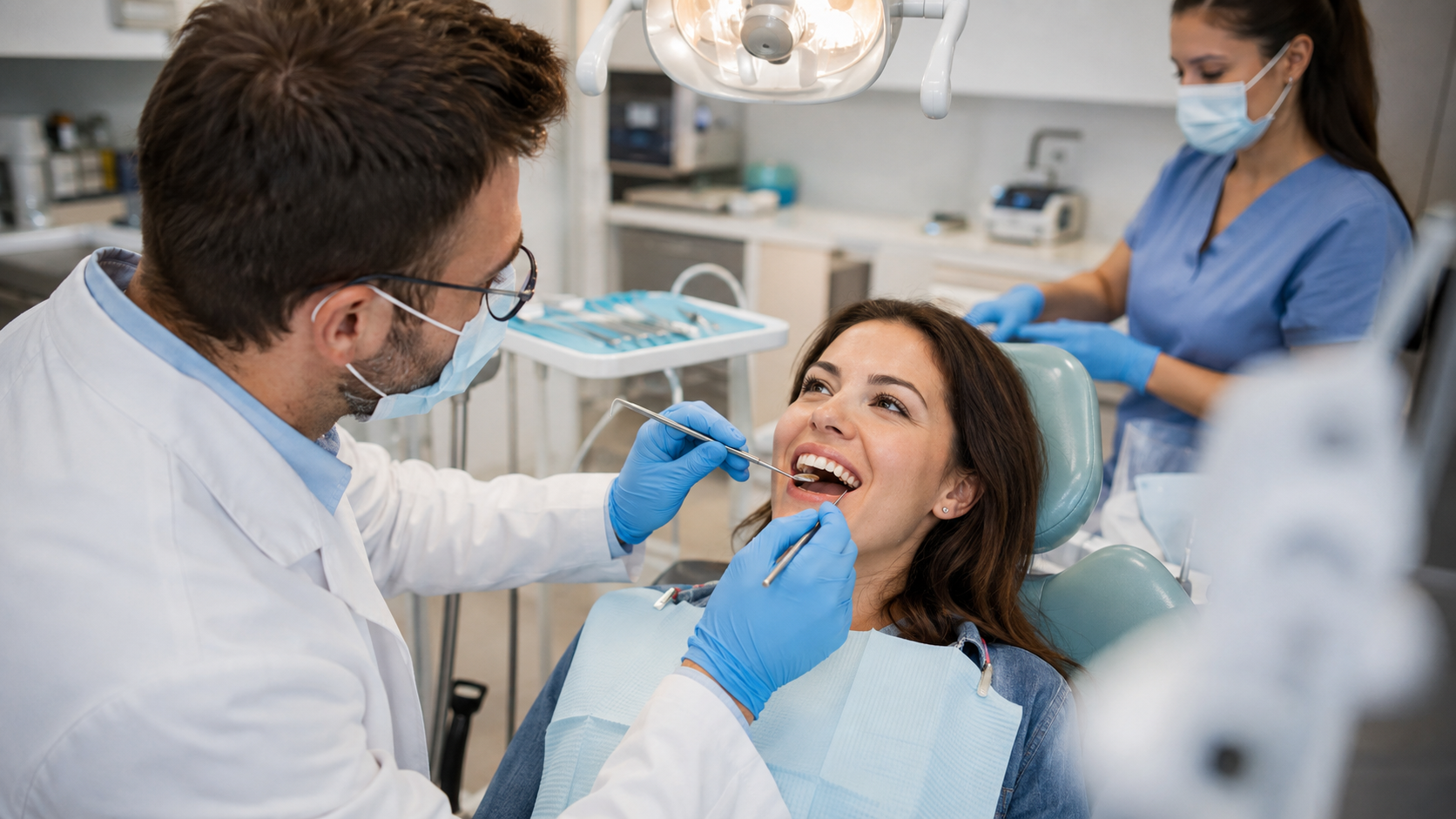
Professional whitening is supervised by a dental team. Options may include in-office whitening, custom take-home trays, or a combination of both. A dentist can check for cavities, gum inflammation, enamel wear, exposed roots, or other concerns that may affect comfort or results.
Custom take-home trays are made to fit the teeth closely. This can help keep whitening gel where it belongs and reduce contact with the gums. In-office whitening, when appropriate, can brighten teeth in a shorter appointment-based setting. The right choice depends on the patient’s oral health, sensitivity level, schedule, and expectations.
Over-the-counter whitening
Store-bought whitening products are convenient and easy to find. Whitening toothpaste may help reduce new surface stains but usually does not change the deeper shade of teeth. Whitening strips and gels may provide mild to moderate improvement for some people, but fit, ingredient strength, and consistency can vary.
Some patients also experience uneven results if strips do not fully contact curved or crowded teeth. Others may develop sensitivity or gum irritation from overuse. For anyone unsure which product is safe, a quick conversation with a dental professional can prevent frustration and discomfort.
Who Is a Good Candidate for Teeth Whitening?
Teeth whitening may be a good option for adults with healthy teeth and gums who want to lighten natural tooth enamel. It is often most effective for yellow-toned staining from foods, drinks, tobacco, or normal aging.
Before whitening, a dental exam can help identify issues that should be addressed first. Cavities, cracked teeth, gum recession, exposed roots, and active gum disease may make whitening uncomfortable or less predictable. Whitening gel can irritate unhealthy gum tissue or cause sharp sensitivity in vulnerable areas.
Patients with crowns, veneers, dental bonding, large front fillings, or severe internal staining may still have cosmetic options, but whitening alone may not create the desired result. In these cases, a dentist may discuss alternatives such as polishing, replacement restorations, bonding, veneers, or a personalized smile plan.
What to Expect During a Whitening Consultation
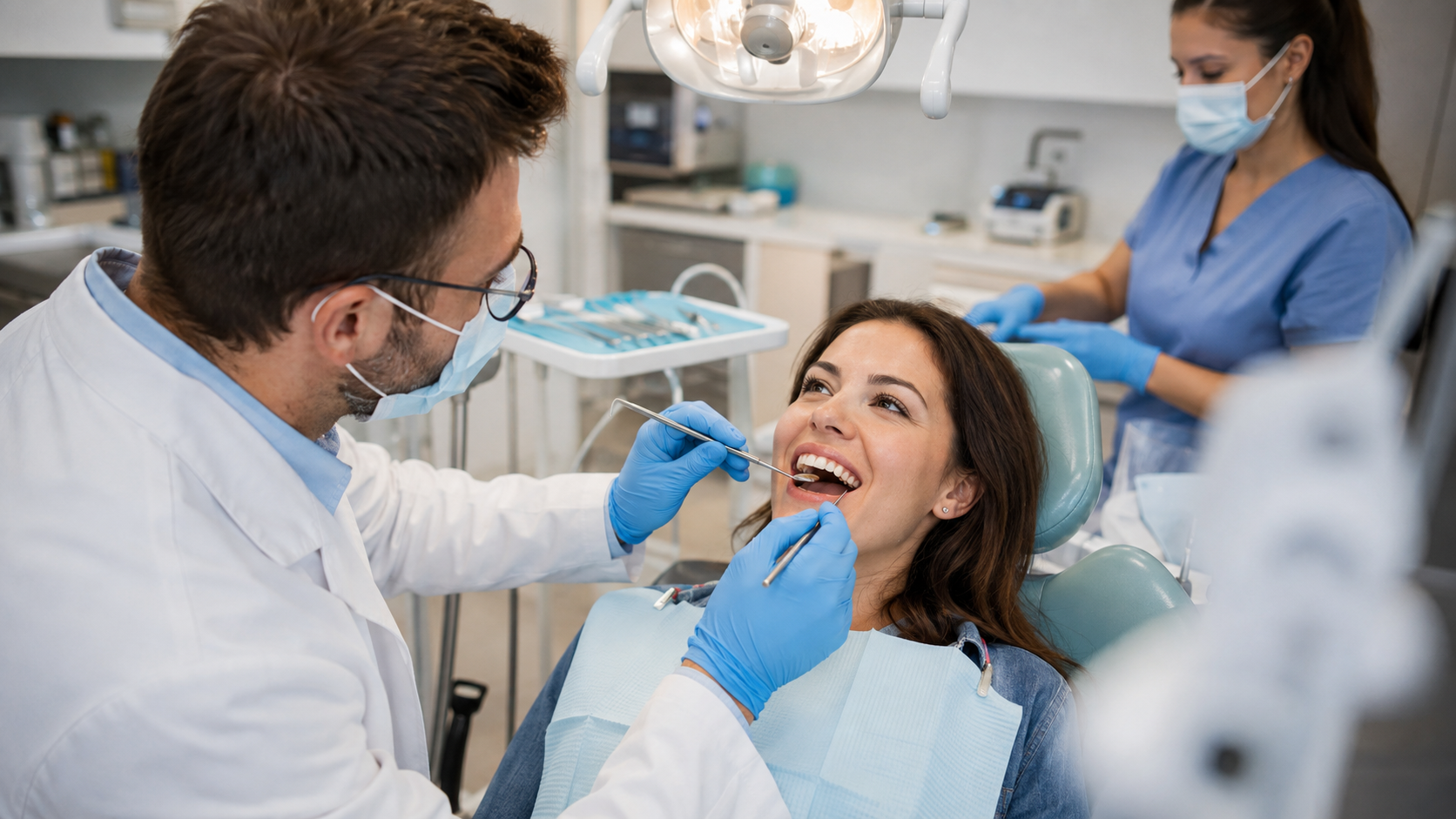
A whitening consultation is usually simple and informative. The dental team may begin by asking what the patient would like to change about their smile and whether they have experienced sensitivity in the past.
The dentist may examine the teeth and gums, review existing restorations, and identify the type of staining present. Shade photos or a shade guide may be used to discuss realistic goals. This step helps patients understand what whitening can and cannot do.
If whitening is appropriate, the dental team can explain available options, timing, aftercare, and possible side effects. Some patients choose whitening before a big event, while others prefer gradual whitening at home. Planning ahead is helpful, especially if the patient wants dental cleanings, restorative work, or cosmetic updates as part of the process.
Does Teeth Whitening Hurt?
Many patients complete whitening comfortably, but temporary tooth sensitivity is possible. Sensitivity may feel like a quick zing when drinking cold water or breathing in cool air. It often improves after whitening is paused or completed.
Gum irritation can also happen if whitening gel touches the soft tissues. This is one reason professional guidance and properly fitted trays can be helpful.
Patients who already have sensitive teeth should mention this before starting treatment. A dentist may suggest using a desensitizing toothpaste, adjusting treatment time, spacing out whitening sessions, or choosing a gentler approach. Whitening should never feel like something a patient has to “push through” if discomfort is significant.
How White Can Teeth Get?
Whitening results vary from person to person. Factors such as enamel thickness, natural tooth shade, type of stain, age, diet, and consistency with treatment all play a role.
Some patients see a noticeable improvement, while others experience a more subtle brightening. Teeth are also not meant to look paper-white for everyone. A natural-looking white shade often complements the skin tone, age, and overall smile better than an overly bright result.
A dental professional can help set realistic expectations. The goal is usually a healthier, fresher-looking smile rather than an artificial or identical shade for every patient.
How Long Do Whitening Results Last?
Teeth whitening is not permanent because daily life continues to expose teeth to staining foods and drinks. Results may last for months or longer depending on habits, oral hygiene, and maintenance.
Patients who drink coffee or tea daily may notice stains returning sooner than those who rarely consume dark beverages. Smoking or vaping can also shorten the lifespan of whitening results.
Regular dental cleanings, good brushing and flossing, and occasional touch-ups can help maintain the result. A dental team can recommend a touch-up schedule that fits the patient’s needs without overusing whitening products.
Tips to Keep a Smile Brighter After Whitening
After whitening, small habits can make a meaningful difference. Patients do not need to avoid every favourite food or drink forever, but mindful choices help maintain brightness.
- Brush twice daily with a fluoride toothpaste.
- Floss once a day to reduce plaque between teeth.
- Rinse with water after coffee, tea, red wine, or dark sauces.
- Use a straw for cold staining drinks when practical.
- Keep up with professional dental cleanings.
- Avoid tobacco products, which can quickly stain teeth.
- Follow the dental team’s instructions for whitening touch-ups.
Some patients are advised to limit highly pigmented foods and drinks for a short period after whitening, when teeth may be more prone to absorbing stains. The dental team will explain any specific instructions based on the whitening method used.
Is Teeth Whitening Safe?
Teeth whitening is generally considered safe when appropriate products are used correctly and under dental guidance. Problems are more likely when products are overused, used on unhealthy teeth or gums, or purchased from unreliable sources.
More gel, longer wear time, or repeated whitening too often does not always create better results. In fact, it can increase sensitivity, irritate gums, and make teeth feel uncomfortable. Patients should follow instructions carefully and avoid combining multiple whitening products without professional advice.
Anyone with dental pain, untreated cavities, gum disease, significant sensitivity, or visible cracks should have those concerns evaluated before whitening. Cosmetic treatment is most comfortable and effective when the foundation of oral health is strong.
What About Whitening Toothpaste and Charcoal Products?
Whitening toothpaste can be useful for polishing away light surface stains. However, most whitening toothpastes do not deeply bleach tooth colour. They may help a smile look cleaner and brighter, especially after meals or between dental cleanings.
Charcoal products are popular online, but patients should be cautious. Some charcoal powders and abrasive pastes may be harsh on enamel or restorations when used frequently. Once enamel is worn away, it does not grow back. A dentist can recommend stain-control products that are effective without being unnecessarily abrasive.
How Much Does Teeth Whitening Cost in BC, CA?
The cost of teeth whitening in BC, CA can vary based on the type of whitening, the dental office, whether custom trays are needed, and whether other dental care is recommended first. In-office whitening and custom take-home systems are typically priced differently from store-bought products because they include professional assessment, planning, materials, and guidance.
For an accurate estimate, patients should contact the dental office directly. A consultation can clarify which whitening option is suitable and whether any exam, cleaning, or restorative care should come first.
Frequently Asked Questions About Teeth Whitening
Can yellow teeth become white again?
Many yellow-toned stains respond well to whitening, especially when they come from foods, drinks, tobacco, or aging. However, every smile is different. A dentist can assess whether whitening is likely to help or whether another cosmetic option may be more appropriate.
Will whitening damage enamel?
When whitening products are used properly and as directed, whitening should not damage healthy enamel. Overuse, abrasive products, or whitening teeth with untreated dental problems can increase the risk of discomfort or irritation. Professional guidance helps reduce these risks.
Can teeth be whitened if there are fillings or crowns?
Yes, natural teeth around fillings or crowns may be whitened, but restorations will not change colour. This can create a mismatch if the dental work is visible. A dentist may recommend whitening first and then replacing restorations if a shade match is needed.
How soon before an event should someone whiten their teeth?
Timing depends on the whitening method and the patient’s sensitivity level. Many patients prefer to start several weeks before a major event to allow time for assessment, treatment, and any touch-ups. A dental team can help plan a comfortable schedule.
Is professional whitening better than whitening strips?
Professional whitening offers personalized evaluation, custom guidance, and often more controlled application. Whitening strips may help some patients with mild staining, but they may not fit every smile evenly. The best option depends on oral health, goals, budget, and comfort.
Can sensitive teeth be whitened?
Sometimes, yes. Patients with sensitive teeth should speak with a dentist before whitening. The dental team may recommend a gentler plan, desensitizing products, shorter sessions, or treatment for underlying causes of sensitivity before whitening begins.
A Brighter Smile Starts With the Right Guidance
Teeth whitening can be a simple and confidence-boosting way to refresh a smile, but the safest and most satisfying results begin with understanding. Not every stain responds the same way, and not every whitening product is right for every patient.
For patients exploring teeth whitening BC CA, ARCH Dental + Aesthetics can help answer questions, review options, and recommend a whitening approach that supports both comfort and oral health. Anyone curious about brightening their smile is encouraged to schedule a consultation and take the next step with confidence.