
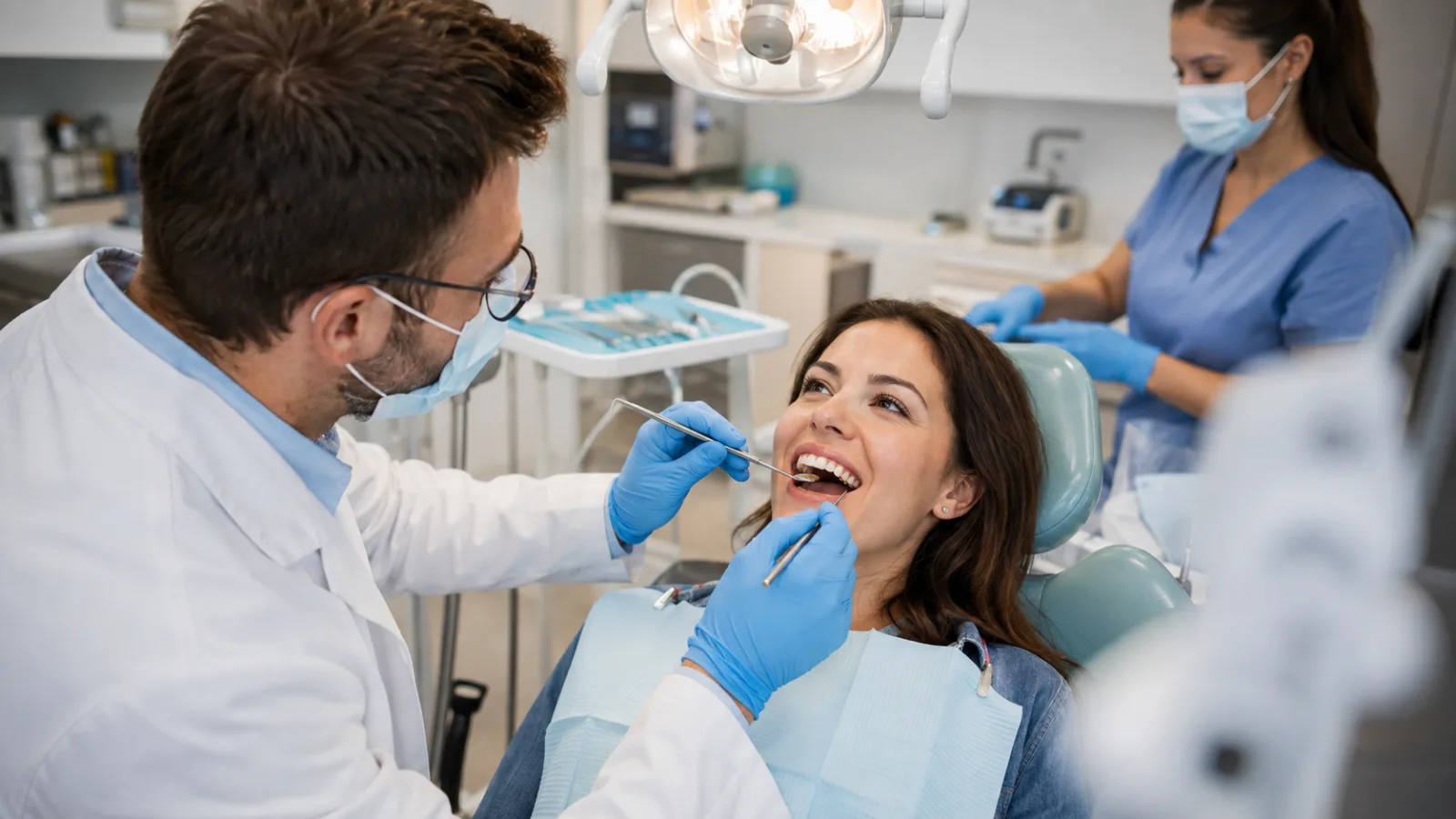
When several teeth are worn, damaged, missing, or painful, treating one problem at a time may not provide the most predictable path forward. Full mouth reconstruction takes a broader view. Instead of focusing on a single tooth, a dentist evaluates how the teeth, gums, jaw joints, and bite work together.
A personalized plan may combine crowns, bridges, dental implants, periodontal care, orthodontics, or other treatments. The goal is to restore comfortable function and oral health while creating a natural-looking smile that suits the patient.
For people considering full mouth reconstruction in Redwood City, CA, understanding the process can make a complex treatment plan feel much more manageable.
This article provides general information and cannot diagnose dental conditions or determine which treatment is appropriate. A dentist must examine the teeth, gums, bite, and health history before making personalized recommendations.
What Is Full Mouth Reconstruction?
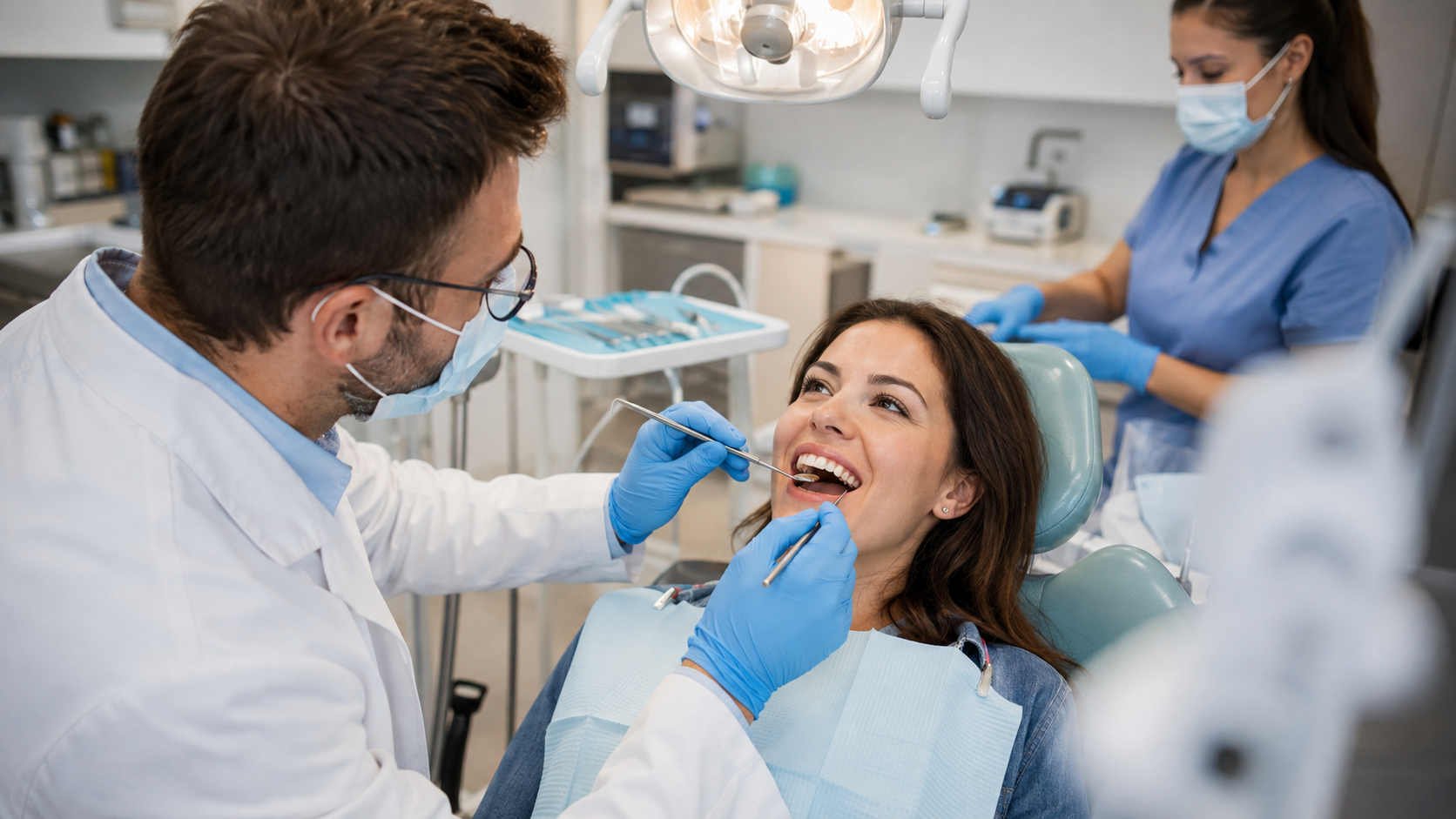
Full mouth reconstruction—sometimes called full mouth rehabilitation—is a coordinated treatment plan for multiple dental concerns. Despite its name, it does not always mean that every tooth needs treatment. Some healthy teeth may simply be monitored and protected.
The plan may address concerns such as:
- Multiple broken, cracked, or severely worn teeth
- Extensive tooth decay or failing restorations
- Several missing teeth
- Difficulty chewing certain foods
- An uneven or unstable bite
- Gum disease or loss of supporting bone
- Changes caused by grinding or clenching
- A combination of functional and cosmetic concerns
Full mouth reconstruction differs from a purely cosmetic smile makeover. Although appearance may be an important part of the plan, reconstruction generally begins with health, stability, and function. Cosmetic details such as tooth shape and shade are then considered within that foundation.
Who Might Benefit From a Comprehensive Evaluation?
A person does not need to know which procedures are required before scheduling a consultation. In fact, the evaluation is designed to answer that question.
An assessment may be helpful when dental problems affect several areas of the mouth or when previous treatment has stopped working as expected. Warning signs can include recurring tooth fractures, loose restorations, sensitive or painful teeth, ongoing gum problems, or a bite that no longer feels comfortable.
Some patients also seek care after years of avoiding the dentist because of anxiety, cost concerns, or an overwhelming number of dental needs. A supportive dental team should approach these situations without judgment and explain priorities in clear, practical terms.
Not every patient is immediately ready for restorative treatment. Active gum disease, uncontrolled decay, smoking, certain medical conditions, or insufficient bone for implants may influence the sequence or available options. These factors do not automatically rule out reconstruction, but they may require additional planning.
What Happens During the Planning Process?
Conversation and health review
The process usually starts with a conversation about the patient’s goals, symptoms, medical history, medications, dental experiences, and concerns. A person who wants to chew comfortably may have different priorities from someone mainly concerned about frequently breaking teeth.
This is also the right time to discuss dental anxiety, scheduling limitations, budget, and previous difficulties with treatment. These details help the dentist build a realistic plan rather than a one-size-fits-all proposal.
Clinical examination and diagnostic records
The dentist examines the teeth, existing fillings or crowns, gums, jaw movement, and bite. Dental X-rays are often used to assess areas that cannot be seen directly, including tooth roots and supporting bone. Depending on the case, photographs, digital scans, impressions, or three-dimensional imaging may also be recommended.
These records help answer important questions: Which teeth can be preserved? Are infections or gum problems present? Is there enough support for a restoration? How do the upper and lower teeth meet?
Priorities and treatment sequencing
Urgent issues generally come first. Pain, infection, active decay, and unstable gum health may need attention before definitive crowns, bridges, or implants are completed.
After the mouth is stable, treatment can move into restorative phases. A written plan should identify the recommended procedures, alternatives, likely sequence, estimated fees, and maintenance needs. When appropriate, care may be divided into manageable stages.
Common Full Mouth Reconstruction Options
No two reconstruction plans are identical. The following treatments may be used alone or in combination.
Fillings, inlays, and onlays
Smaller areas of damage may be repaired with fillings. Inlays and onlays are custom restorations that rebuild more of a tooth while preserving healthy structure when a full crown is not necessary.
Dental crowns
A crown covers and reinforces a tooth that has lost significant structure. Crowns may be considered for teeth affected by large fillings, fractures, extensive wear, or root canal treatment. Material selection depends on the tooth’s location, bite forces, appearance, and available space.
Bridges and removable dentures
A dental bridge replaces one or more missing teeth by using nearby teeth or implants for support. Partial and complete dentures provide removable alternatives when several or all teeth are missing. Each option has different requirements for cleaning, support, comfort, and future maintenance.
Dental implants
Dental implants replace missing tooth roots and may support an individual crown, a bridge, or a full-arch restoration. Implant treatment requires careful evaluation of bone, gum health, medical factors, and bite forces. More information is available in ARCH Dental + Aesthetics’ overview of implant dentistry.
Implants are not the only way to replace teeth, and they are not suitable for everyone. A dentist should explain both implant and non-implant alternatives so the patient can make an informed choice.
Periodontal treatment
Healthy gums and supporting bone form the foundation of restorative dentistry. If gum disease is present, periodontal treatment and improved home care may need to occur before final restorations are placed.
Orthodontic treatment
Clear aligners or braces may be used to create space, improve tooth position, or make the bite easier to restore. Moving teeth first can sometimes reduce the amount of tooth preparation needed later.
Bite protection and cosmetic refinements
A night guard may be recommended for patients who grind or clench, particularly after new restorations are completed. Tooth-colored materials, bonding, veneers, and whitening may also be considered when appropriate, but cosmetic improvements should support—not compromise—function and oral health.
How Long Does Full Mouth Reconstruction Take?
The total timeline depends on the number and type of procedures required. Some plans involve several appointments over a relatively short period, while more complex plans may unfold in phases over many months.
It helps to distinguish four different parts of recovery:
- Early symptom recovery: Tenderness, swelling, or sensitivity after a procedure often improves before the underlying tissues have fully healed. The experience varies by procedure and patient.
- Soft-tissue healing: The gums need time to settle after extractions, periodontal care, or implant surgery. Follow-up visits allow the dentist to monitor this process.
- Osseointegration: When implants are used, the bone must heal around the implant surface. A peer-reviewed review describes a conventional two-stage protocol with a healing interval of approximately three to four months, although the actual schedule varies by site, bone quality, procedure, and individual health.
- Final restoration: The definitive crowns, bridge, denture, or full-arch restoration may be completed only after the mouth is stable and the dentist confirms that healing and function are progressing appropriately.
Temporary restorations may protect prepared teeth or help a patient function while healing occurs. They can also give the dental team a chance to evaluate the bite, speech, appearance, and cleaning access before making the final restorations.
Comfort, Risks, and Long-Term Care
Modern local anesthetics and careful treatment planning can help patients remain comfortable during care. Depending on the procedure, health history, and anxiety level, additional comfort options may be discussed. Patients should arrange transportation if a sedative is prescribed and follow all pre- and post-treatment instructions.
Like all dental treatment, full mouth reconstruction has possible risks. These may include sensitivity, infection, gum irritation, restoration fracture, bite discomfort, implant complications, or the need for additional treatment. Existing restorations and natural teeth also remain subject to wear over time. A dentist should explain the risks and alternatives that apply to each recommended procedure.
Long-term success depends on maintenance as well as treatment. Patients can help protect their results by:
- Brushing with fluoride toothpaste as directed
- Cleaning between teeth and underneath bridges
- Following specialized cleaning instructions for implants or dentures
- Attending recommended examinations and professional cleanings
- Wearing a night guard when advised
- Avoiding chewing ice or using teeth as tools
- Reporting looseness, discomfort, or bite changes promptly
Questions to Ask Before Starting Treatment
A full mouth plan can involve important health and financial decisions. Patients should feel comfortable asking:
- Which problems need immediate attention?
- Which teeth can be predictably preserved?
- What alternatives exist for each recommended procedure?
- Can treatment be completed in phases?
- Will temporary teeth be needed?
- How will discomfort and dental anxiety be managed?
- What is included in the cost estimate?
- What maintenance will the final restorations require?
- Which symptoms should prompt an urgent call?
A clear plan should make the sequence and purpose of care understandable. If anything remains unclear, it is reasonable to request another explanation or ask for time to review the options.
Frequently Asked Questions
Does full mouth reconstruction require replacing every tooth?
No. The goal is to preserve healthy, maintainable teeth whenever appropriate. Treatment may involve only the teeth and supporting structures that need care.
Is full mouth reconstruction painful?
Local anesthesia is commonly used during procedures. Some treatments may cause temporary soreness, swelling, or sensitivity afterward. The expected experience depends on the procedures involved, so patients should ask for individualized comfort and aftercare instructions.
Is reconstruction the same as full mouth implants?
No. Full mouth implants are one possible approach for people with many missing or non-restorable teeth. Full mouth reconstruction is a broader term that may combine natural-tooth restorations, implants, bridges, dentures, gum treatment, and orthodontics.
Can treatment be completed in stages?
Often, yes. Care may be divided into urgent, stabilizing, and definitive phases. However, the sequence matters. Delaying one part of treatment can sometimes affect another, so changes should be discussed with the treating dentist.
How much does full mouth reconstruction cost?
Costs vary considerably because plans can involve very different procedures, materials, imaging, laboratory work, and specialist care. After an examination, the dental office can provide an itemized estimate and discuss insurance benefits or payment arrangements. Insurance coverage does not always match clinical need, so both should be reviewed separately.
How long do the results last?
There is no universal lifespan or guarantee. Longevity depends on the condition of the supporting teeth and gums, restoration type, bite forces, grinding habits, home care, and professional maintenance. Regular monitoring allows small concerns to be addressed before they become larger problems.
Take the Next Step Toward a Healthier, More Comfortable Smile
Complex dental concerns can feel overwhelming, but they do not have to be solved all at once. A thorough evaluation can identify urgent needs, clarify which teeth can be preserved, and organize treatment into understandable steps.
Patients exploring full mouth reconstruction in Redwood City, CA, can contact ARCH Dental + Aesthetics to ask questions and arrange a consultation. The dental team can evaluate current oral health, discuss appropriate options, and develop a personalized plan focused on comfort, function, appearance, and long-term maintenance.